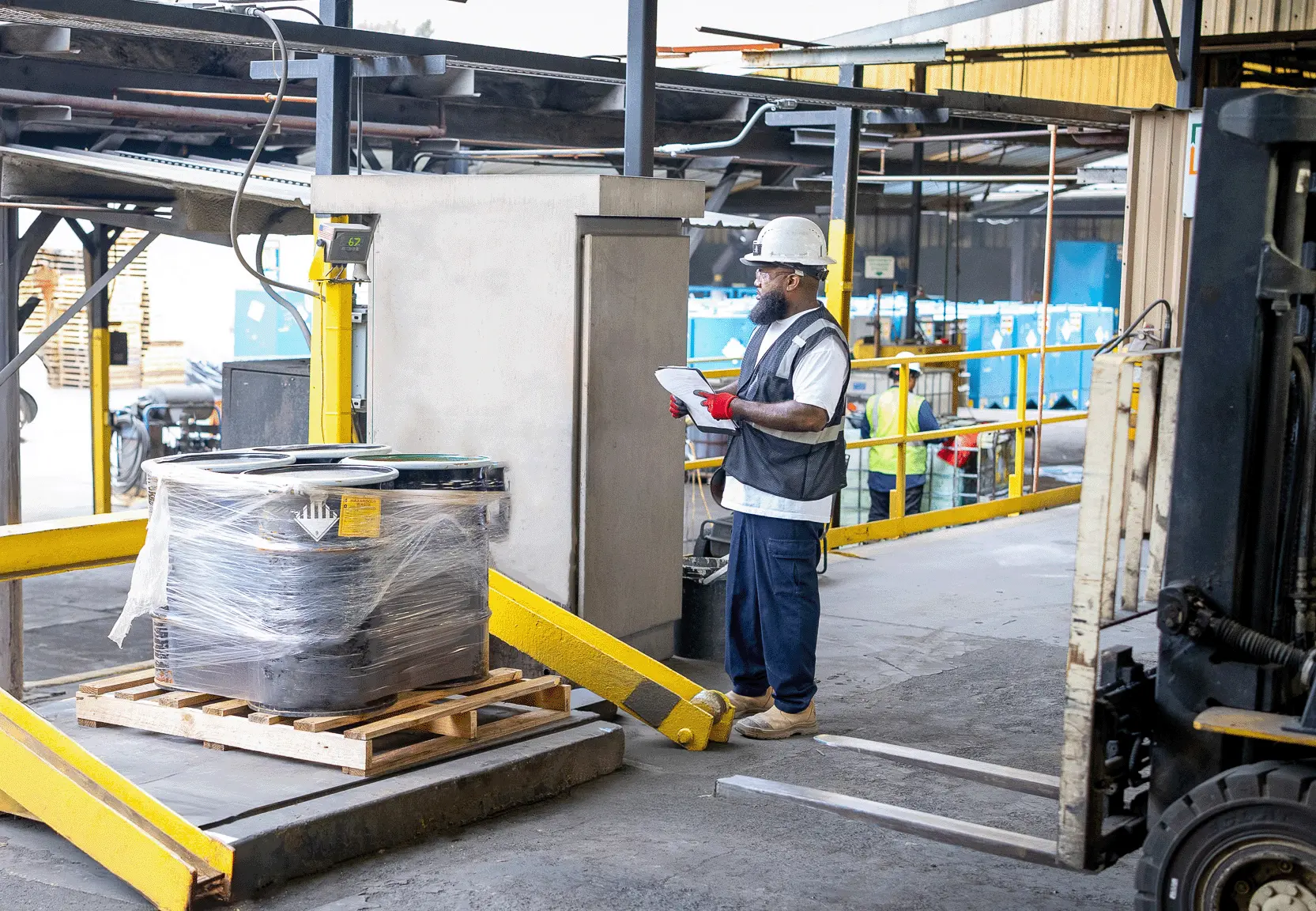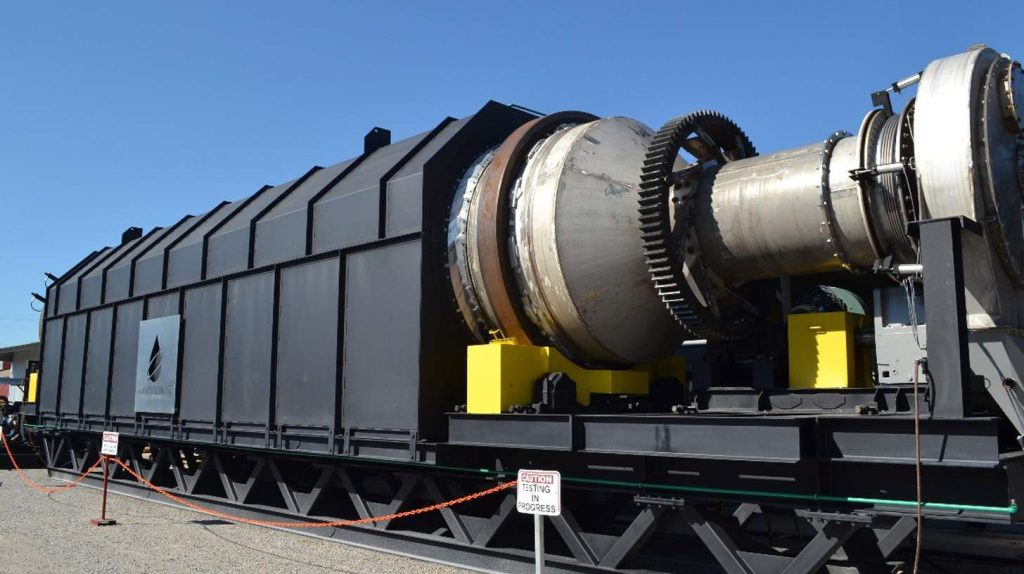
Thermal desorption is one of many methods used to clean materials that have been contaminated with hazardous chemicals. Due to its benefits, this innovative reclamation technology is changing the way oil refineries process materials without onsite disposal or incineration.
Here are some of the benefits of Thermal Desorption to process materials.

1- Can separate a wide spectrum of materials
Thermal desorption works well at separating organics from refining wastes, coal tar wastes, waste from wood treatment, and paint wastes. It can separate solvents, pesticides, PCBs, dioxins, and fuel oils from contaminated soil.
Other commonly processed petrochemical material streams include tank bottoms and spent catalysts.
2- Clean, safe, reliable, and efficient solution
Thermal desorption technology is a clean, safe, reliable, and efficient solution for managing wastes. Through this process, waste streams are remediated, delisted, and commercially valuable materials recycled – all through a single all-in-one system.
This process maximizes the recovery of hydrocarbons and valuable metals from the feedstock while drastically reducing and in some cases eliminating the amount of waste requiring landfill disposal.
3- Adapts and meets throughput temperatures
Thermal desorption is commonly used to process organic materials such as oil-bearing material from refineries. Thermal desorption can be customized to adapt and meet the throughput and devolatilization temperatures required.
4- Fast material separation
Thermal desorption systems can clean over 20 tons of polluted soil per hour. Tough to process streams such as mixed hazardous waste are quickly and safely remediated.
The time it takes to clean up a site using thermal desorption depends on the amount of polluted material, the condition of the material, and the type (and amounts) of harmful chemicals present.
5- Can recycle catalysts and reclaim metals
Typical waste streams such as tank bottoms, and spent catalysts, contain large amounts of recoverable hydrocarbons. Many feedstocks, such as spent catalysts, contain precious metals that can be recycled at a high value. The solids from soil remediation can be repurposed for profitable use applications.
Processing spent catalyst in a thermal desorption unit separates and reclaims the hydrocarbons, reducing the waste for disposal and prepares the solid materials for recovery of the metals.