Metal recovery plays a vital role in modern recycling and waste management systems. As industrial activity increases and natural resources become more constrained, recovering metals from waste streams is no longer just an environmental initiative — it is a strategic business decision.
For industrial organizations, metal recovery supports cost efficiency, regulatory compliance, and long-term supply security while aligning operations with sustainability goals.
What Is Metal Recovery?
Metal recovery is the process of extracting usable metals from waste materials, byproducts, and end-of-life products. These metals are then refined and reused in manufacturing, reducing the need for virgin raw materials.
Common sources for metal recovery include:
• Industrial waste and manufacturing scrap
• Electronic waste and electrical equipment
• Construction and demolition debris
• Spent catalysts and process residues
• Batteries and energy storage systems
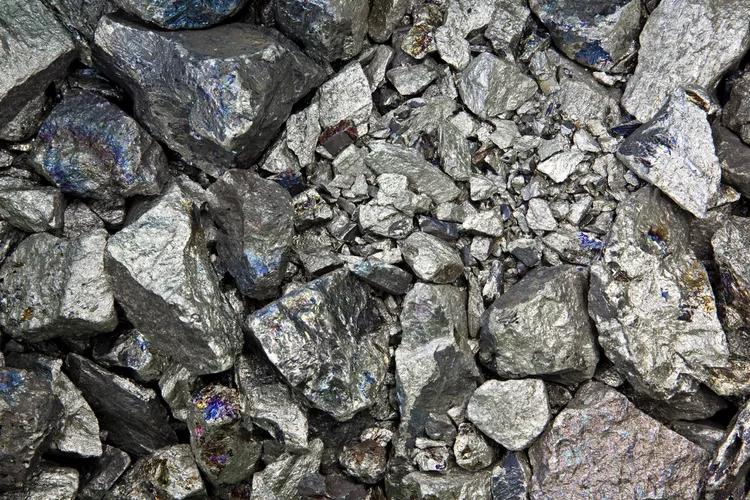
Recovered metals can range from base metals such as steel, copper, and aluminum to high-value precious and specialty metals.
Why Metal Recovery Is Critical for Industry
Economic Efficiency
Recovering metals reduces disposal costs and creates value from materials that would otherwise be treated as waste. At scale, recovery programs can significantly improve operating margins and material efficiency.
Resource Security
Global metal supply chains are exposed to geopolitical risk, price volatility, and material shortages. Metal recovery provides a secondary, more stable source of critical materials, helping organizations reduce dependence on primary mining.
Environmental Performance
Metal recovery requires significantly less energy and water than primary metal extraction. This results in lower greenhouse gas emissions, reduced environmental degradation, and improved sustainability metrics.
Regulatory Compliance
Environmental regulations increasingly require responsible handling of industrial waste. Metal recovery supports compliance with waste reduction, recycling, and extended producer responsibility requirements. Industrial waste processors like The Amlon Group help customers navigate these requirements through specialized handling, logistics support, and complete documentation at every stage of processing.
Key Metal Recovery Technologies
Mechanical Recovery
Mechanical processes involve shredding, sorting, and separating metals based on size, density, or magnetic properties.
Applications
• Scrap metal processing
• Construction and demolition waste
• Pre-treatment of e-waste
Hydrometallurgical Recovery
This method uses chemical solutions to selectively dissolve and recover metals.
Applications
• Complex industrial residues
• Electronic waste
• Battery recycling
At Amlon Sweetwater in Sweetwater, Tennessee, advanced chemical dissolution techniques are used to remove precious metal coatings and recover metals from spent catalysts, plating solutions, and electronic scrap — materials common in semiconductor manufacturing, chemical production, and downstream energy operations.
Pyrometallurgical Recovery
High-temperature processes are used to melt and separate metals.
Applications
• Mixed or contaminated scrap
• Slags and ashes
• High-volume industrial waste
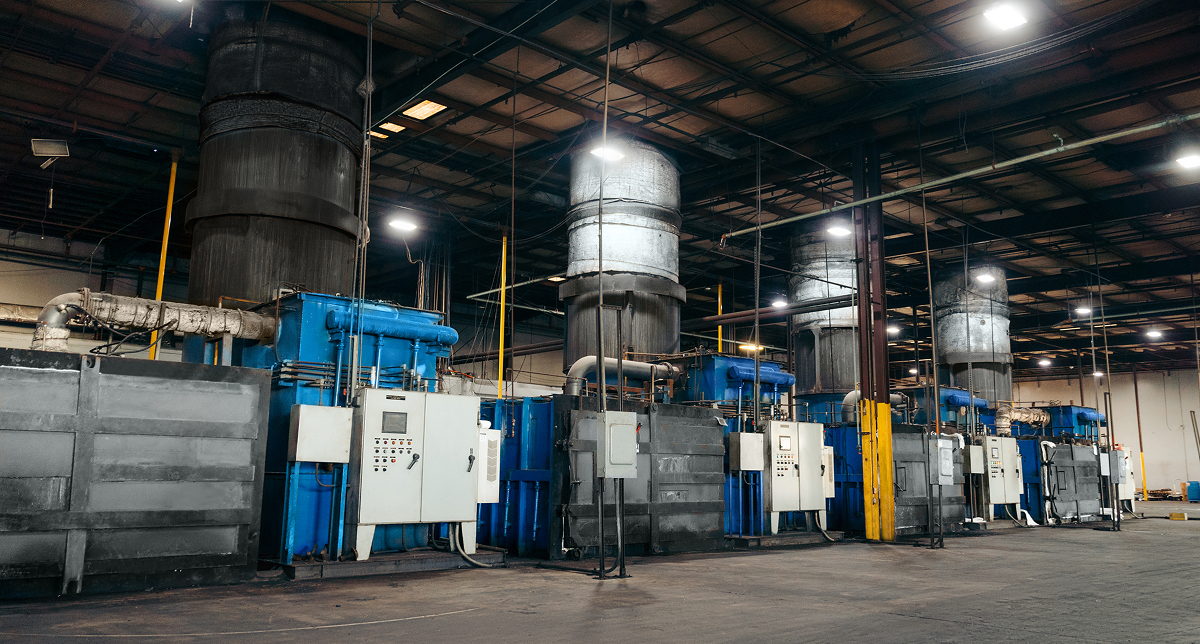
Amlon Sweetwater deploys large-scale thermal pre-treatment as part of its precious metal and superalloy reclamation process, treating materials generated across the chemical, pharmaceutical, aviation, and power generation sectors.
Emerging Technologies
Innovations such as bioleaching, electrochemical recovery, and AI-driven sorting are improving recovery efficiency and expanding the range of recoverable materials.
Precious Metal Recovery Within Metal Recovery
While metal recovery encompasses a wide range of materials, precious metal recovery represents one of its highest-value and most strategic segments. Precious metals such as gold, silver, platinum, and palladium are commonly found in electronic waste, spent catalysts, and industrial residues — often at concentrations higher than those found in mined ores.
Recovering precious metals delivers unique advantages:
• High economic return due to strong and volatile market prices
• Critical supply security for industries reliant on electronics, chemicals, and clean energy
• Significant environmental benefits, as precious metal mining is especially resource-intensive
From a strategic perspective, precious metal recovery often justifies advanced processing technologies such as hydrometallurgy, pyrometallurgy, and electrochemical separation. For industrial waste managers, integrating precious metal recovery into broader metal recovery programs can substantially improve ROI while strengthening sustainability and ESG outcomes.
The Amlon Group’s Sweetwater facility specializes in this segment, recovering platinum group metals (PGMs) including ruthenium, rhodium, palladium, iridium, and platinum, as well as gold and silver, from materials such as sputtering targets, fuel cells, ion exchange resins, spent catalysts, and high-grade electronic scrap. The facility provides detailed tracking and digital certification from material receipt through final processing.
Metal Recovery and the Circular Economy
Metal recovery is foundational to a circular economy model, where materials remain in use for as long as possible. By reintroducing recovered metals into production cycles, organizations can:
• Reduce raw material extraction
• Minimize landfill waste
• Lower carbon footprints
• Improve sustainability reporting and ESG performance
The Amlon Group operates across this model at multiple facilities. In addition to precious metal recovery at Sweetwater, Amlon Port Allen in Port Allen, Louisiana, applies indirect thermal desorption and centrifuge technologies to reclaim oil and recover metals — including vanadium, molybdenum, and tungsten — from spent catalysts and oil-bearing hazardous secondary materials generated at petroleum refineries. Amlon Longview in Longview, Texas, operates as an RCRA Part B TSDF focused on recycling metal-containing industrial solid and liquid waste, including hazardous materials, and reintroducing reclaimed metals into the supply chain.
Economic Considerations and ROI
The success of a metal recovery program depends on several factors:
• Type and concentration of metals
• Consistency of waste streams
• Technology and processing costs
• Market demand and metal prices
When properly designed, metal recovery initiatives often deliver positive returns while reducing overall waste management expenses.
Future Outlook for Metal Recovery
• Growing demand for metals driven by electrification and clean energy
• Stricter environmental and recycling regulations
• Increased adoption of automation and digital monitoring
• Greater focus on recovering critical and specialty metals
Conclusion
Metal recovery is a powerful tool for industrial organizations seeking to balance operational efficiency, sustainability, and regulatory compliance. By extracting value from waste, companies can strengthen supply chains, reduce environmental impact, and position themselves for a resource-constrained future.
The Amlon Group has built its operations around this principle across more than four decades. With facilities dedicated to precious metal and superalloy reclamation, catalyst recycling, oil recovery, and metal-bearing waste processing, Amlon provides industrial customers with the expertise and infrastructure to convert waste into recoverable resources — responsibly and at scale. Learn more at amlongroup.com.