The precious metals refining process is a critical step in transforming recovered materials into high-purity metals ready for reuse in industrial, electronic, and chemical applications. As recycling and metal recovery become increasingly important, refining bridges the gap between waste-derived feedstocks and market-ready precious metals such as gold, silver, platinum, and palladium.
For industrial organizations, understanding the refining process is essential for evaluating recovery partnerships, compliance, and overall value creation.
What Is Precious Metals Refining?
Precious metals refining is the set of physical, chemical, and thermal processes used to purify precious metals extracted from ores or, increasingly, from recycled and recovered materials. The objective is to remove impurities and separate individual metals to achieve defined purity specifications.
Refining typically follows metal recovery and produces metals suitable for:
• Reuse in manufacturing and electronics
• Chemical and catalytic applications
• Investment and bullion markets
Learn more about precious metals recovery.
Common Feedstocks for Precious Metals Refining
Modern refining operations process a wide range of secondary materials, including:
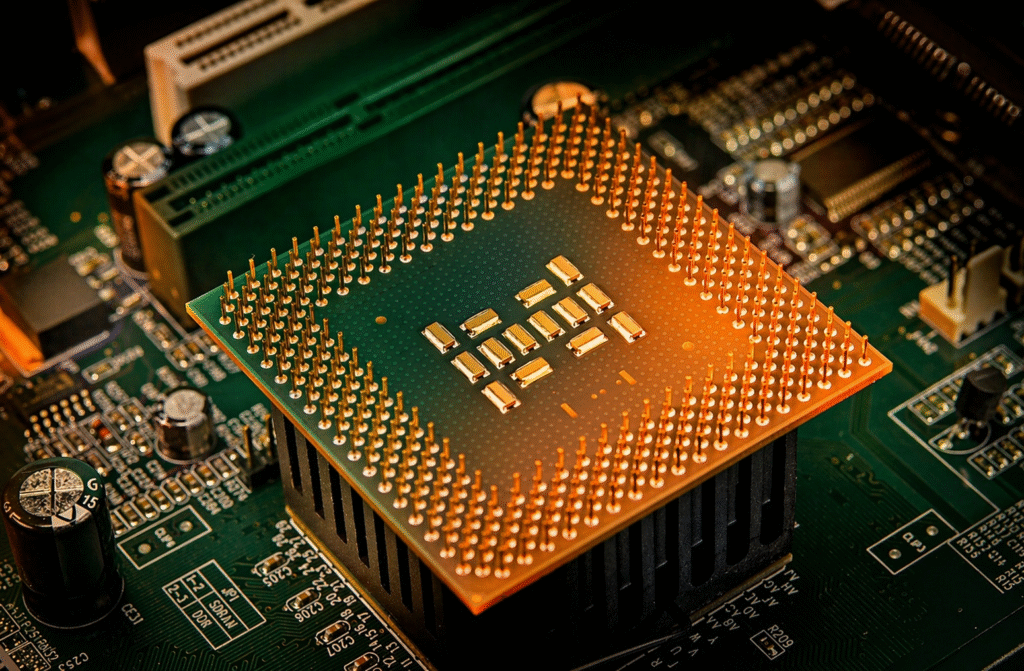
• Electronic waste and circuit boards
• Spent automotive and industrial catalysts
• Precious metal-bearing sludges and solutions
• Industrial scrap and residues
• Concentrates from recovery operations
The composition and complexity of these feedstocks largely determine the refining methods used. For organizations generating these materials, working with an experienced upstream processor is essential to ensure accurate material characterization before refining begins. Amlon Sweetwater in Sweetwater, Tennessee, accepts a broad range of precious metal-bearing feedstocks — including spent catalysts, plating solutions, sludges and slimes, electronic scrap, ion exchange resins, and filter press materials — and performs the upstream processing and reclamation work that prepares materials for the refining supply chain.
Key Stages of the Precious Metals Refining Process
Pre-Treatment and Sampling
Recovered materials are first prepared through crushing, milling, incineration, or thermal treatment. Accurate sampling and analysis are critical at this stage to determine metal content and ensure transparent valuation.
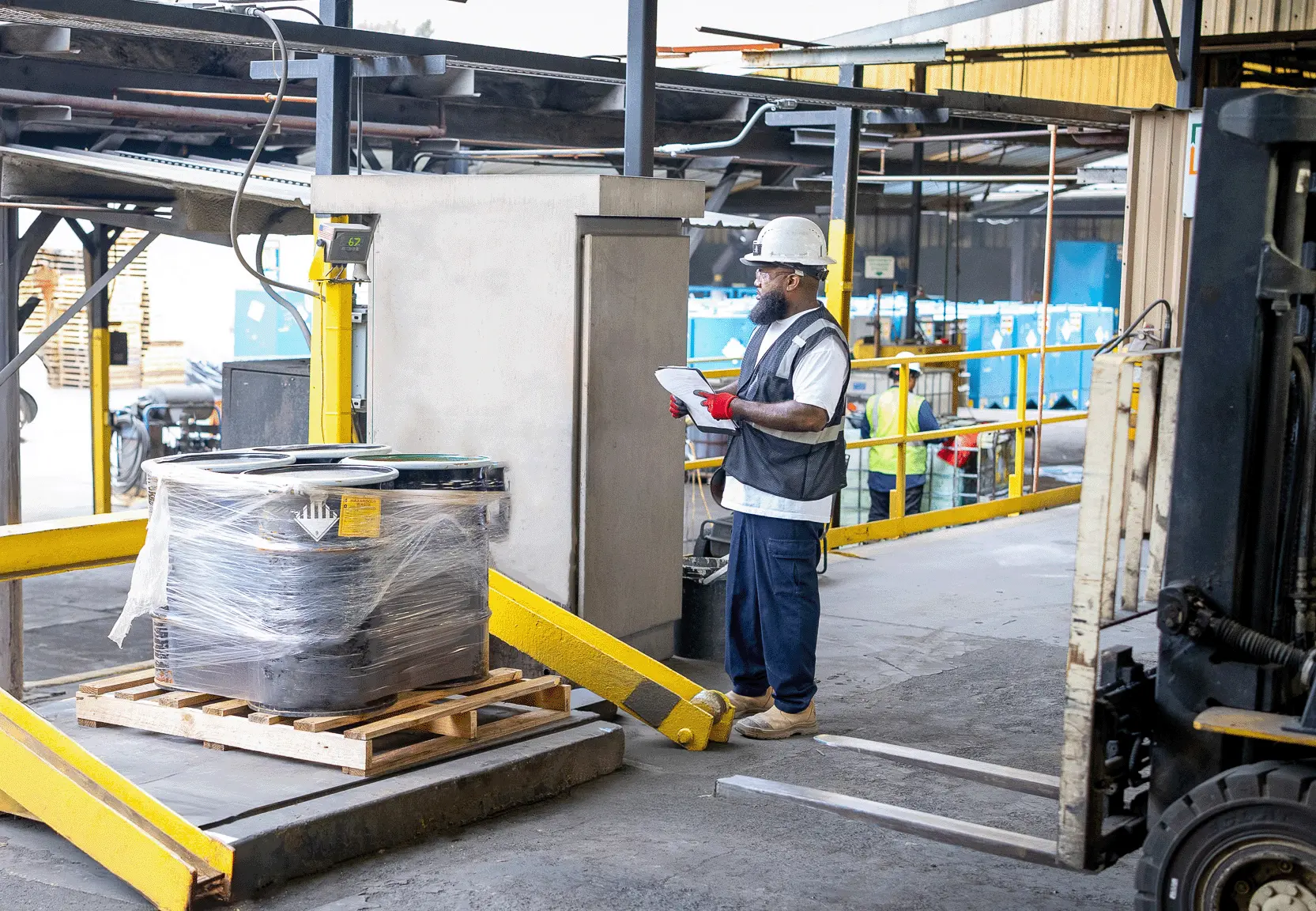
This upstream stage is where processors like Amlon Sweetwater play a central role. The facility operates dedicated material preparation lines — including milling, screening, and blending — alongside an in-house sample lab and assay lab to determine metal composition. Transparency is a core operating principle: customers or their third-party representatives are welcome to witness processing, and assay exchanges are actively encouraged to ensure accountability before materials move downstream.
Smelting and Concentration
Smelting uses high temperatures to separate precious metals from base metals and non-metallic components. The result is a metal-rich concentrate or alloy that can be further refined.
Purpose
• Reduce material complexity
• Concentrate precious metals
• Remove bulk impurities
Amlon Sweetwater operates large-scale thermal pre-treatment and melting capabilities, processing materials from industries including chemicals, pharmaceuticals, aviation, electronics, and power generation. These operations concentrate precious metals and prepare reclaimed material for downstream refining.
Chemical Dissolution and Separation
Hydrometallurgical techniques dissolve metals into solution using carefully controlled chemical reactions. Individual precious metals are then selectively separated through precipitation, solvent extraction, or ion exchange.
Common methods include
• Aqua regia refining
• Chlorination processes
• Selective leaching
Amlon Sweetwater’s chemical processing capabilities include advanced chemical dissolution for the removal of precious metal coatings and cyanide solution recovery — techniques applied to plating solutions, electronic scrap, and other complex precious metal-bearing materials prior to further downstream processing.
Purification and Metal Recovery
Once separated, precious metals are recovered from solution using techniques such as electro-winning or chemical reduction. Multiple purification steps may be applied to achieve high purity levels.
Final Refining and Casting
The refined metals are melted, assayed, and cast into final forms such as bars, grains, or powders, depending on end-use requirements. Purity levels commonly exceed 99.9%.
Refining of Individual Precious Metals
Gold and Silver Refining
Gold and silver are typically refined using chemical dissolution followed by electrolysis or precipitation to achieve high purity suitable for electronics and investment applications.
Platinum Group Metals (PGMs)
Platinum, palladium, and related PGMs require more complex refining due to their similar chemical properties. Multi-stage separation and purification processes are used to isolate each metal. Amlon Sweetwater recovers all seven precious metals — gold, silver, platinum, palladium, rhodium, iridium, and ruthenium — from production scraps, waste streams, and end-of-life materials, and works with established refiner relationships to coordinate downstream settlement for each metal type.
Environmental and Regulatory Considerations
Precious metals refining is tightly regulated due to the use of chemicals and the handling of hazardous materials. Modern refineries focus on:
• Closed-loop chemical systems
• Emissions control and waste treatment
• Compliance with environmental and safety regulations
• Continuous improvement in energy efficiency
Refining recycled materials generally has a significantly lower environmental footprint than refining mined ores. Amlon Sweetwater supports customers with regulatory compliance throughout the upstream processing stage, providing expert guidance on safe handling and logistics, and maintaining a complete documentation trail — including digital and physical certification — from material receipt through processing.
Economic Considerations in Precious Metals Refining
Refining costs and returns depend on several factors:
• Metal concentration and complexity of feedstock
• Required purity levels
• Processing scale and technology
• Market prices for refined metals
When integrated with recovery operations, refining enables maximum value capture from waste-derived materials. Upstream processing quality has a direct impact on refining economics — well-characterized, accurately sampled material moves through the refining process more efficiently and commands better returns. Amlon Sweetwater’s in-house assay capabilities and refiner coordination support competitive settlement timelines for customers working with platinum, palladium, rhodium, iridium, and ruthenium.
The Role of Refining in the Circular Economy
Precious metals refining is essential to a circular economy for metals. It ensures that recovered precious metals meet quality standards and can be reintroduced into high-value applications without performance loss.
By enabling continuous reuse, refining supports:
• Reduced reliance on mining
• Stable long-term metal supply
• Improved sustainability performance
The Amlon Group’s Sweetwater facility is an active participant in this circular model, reclaiming precious metals and superalloys from industrial waste streams and reintroducing them into the supply chain. By handling the complex upstream work — material preparation, thermal processing, chemical dissolution, and assay — Amlon helps ensure that recovered metals are properly characterized and ready for the refining steps that complete the circle.
Conclusion
The precious metals refining process transforms recovered and recycled materials into high-purity metals that power modern industry. As demand for precious metals grows and sustainability pressures increase, refining will remain a cornerstone of efficient, compliant, and circular metal recovery systems.
For industrial organizations generating precious metal-bearing waste, success in the refining supply chain starts well upstream — with accurate material characterization, responsible processing, and a trusted reclamation partner. Amlon Sweetwater specializes in the upstream processing and reclamation work that prepares complex industrial materials for the refining pipeline, serving customers across the chemical, pharmaceutical, electronics, aviation, and power generation sectors.