Precious metal recovery has become a critical focus for industrial organizations navigating rising raw material costs, supply chain risk, and growing environmental regulations. What was once considered waste — electronics scrap, spent catalysts, industrial residues — is now a valuable secondary resource containing gold, silver, platinum, palladium, and other high-value metals.
For industrial decision-makers, understanding how precious metal recovery works and why it matters is essential for building resilient, sustainable waste management strategies.
What Is Precious Metal Recovery?
Precious metal recovery is the process of extracting valuable metals from waste streams and end-of-life materials rather than sourcing them from newly mined ores. These materials often include:
- Electronic waste (PCBs, circuit boards, connectors)
- Spent industrial catalysts
- Batteries and fuel cells
- Manufacturing scrap and residues
- Plating solutions and sludges
Recovered metals can be refined and reintroduced into manufacturing supply chains, reducing dependence on primary mining while lowering environmental impact.
Why Precious Metal Recovery Matters for Industry
Economic Value
Precious metals retain high and often volatile market value. Recovering even small concentrations from waste streams can deliver meaningful financial returns, especially at industrial scale. Recovery programs can transform disposal costs into revenue streams.
Supply Chain Resilience
Global precious metal supply is concentrated in a small number of regions. Recycling and recovery provide a domestic or regional source of critical materials, reducing exposure to geopolitical risk and price shocks.
Environmental & ESG Performance
Mining precious metals is energy-intensive and environmentally disruptive. Recovery significantly reduces carbon emissions, water use, and land disturbance — key metrics for ESG reporting and sustainability goals.
Regulatory Compliance
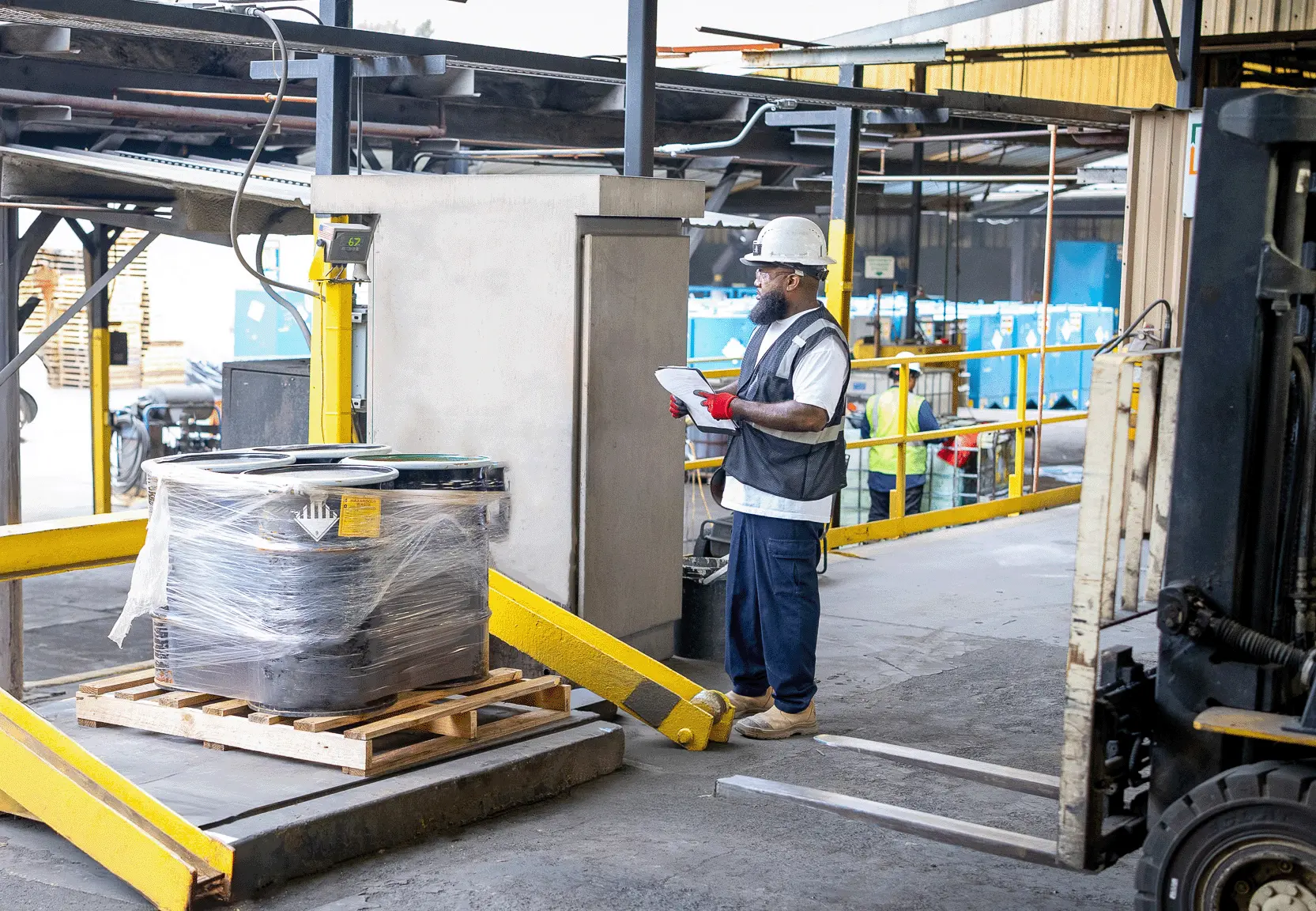
Environmental regulations increasingly restrict landfill disposal and mandate responsible waste handling. Precious metal recovery helps organizations meet compliance requirements while demonstrating proactive stewardship. Processors like The Amlon Group support customers through this process with expert handling, safe logistics coordination, and complete documentation from material receipt through final processing.
Key Precious Metal Recovery Methods
Hydrometallurgical Recovery
Hydrometallurgy uses chemical solutions to dissolve metals from waste materials, followed by selective precipitation or electro-winning.
Advantages
- High recovery rates
- Suitable for complex waste streams
- Lower energy use than thermal methods
Common applications
- E-waste processing
- Plating waste
- Fine metal residues
Amlon Sweetwater in Sweetwater, Tennessee, applies advanced chemical dissolution techniques to recover precious metals from plating solutions, filters and residues, and complex electronic scrap — materials that are well-suited to chemical processing methods.
Pyrometallurgical Recovery
Pyrometallurgy relies on high-temperature processes such as smelting to separate metals based on melting points and chemical properties.
Advantages
- Effective for large volumes
- Handles mixed or contaminated materials
- Produces robust metal concentrates
Common applications
- Spent catalysts
- Industrial slags
- High-metal-content scrap
Amlon Sweetwater deploys large-scale thermal pre-treatment alongside its chemical and mechanical processing operations, handling materials from the chemical, pharmaceutical, aviation, and power generation sectors. At Amlon Port Allen in Port Allen, Louisiana, thermal desorption technology is used to recover metals from spent catalysts and oil-bearing hazardous secondary materials generated by petroleum refineries.
Biometallurgical (Bioleaching) Recovery
Bioleaching uses microorganisms to break down metal-bearing materials and release metals into solution.
Advantages
- Low energy input
- Reduced chemical usage
- Emerging solution for low-grade materials
Common applications
- Low-concentration waste
- Environmentally sensitive operations
- Research and pilot-scale recovery
Major Waste Streams Rich in Precious Metals
Electronic Waste (E-Waste)
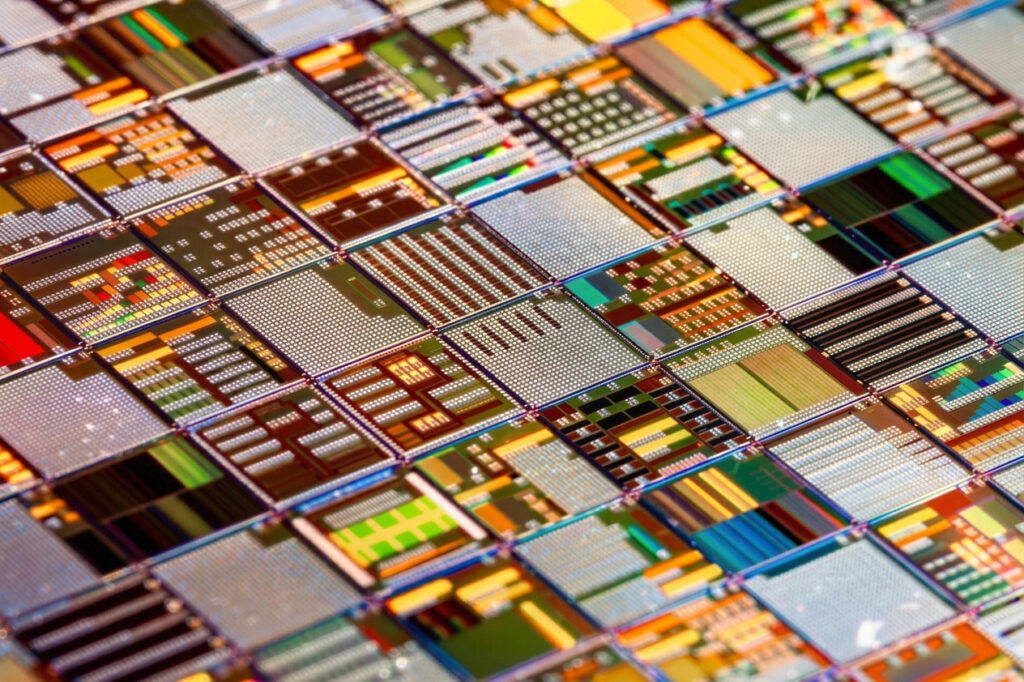
E-waste contains higher precious metal concentrations than many mined ores. Printed circuit boards alone can hold significant quantities of gold, silver, and palladium. Amlon Sweetwater accepts high-grade electronic scrap, sensors, ICs, MLCCs, and plated scraps and components for precious metal reclamation.
Spent Catalysts
Catalysts used in chemical processing, oil refining, and automotive applications often contain platinum group metals (PGMs) that retain value even after deactivation. Amlon Sweetwater accepts both heterogeneous and homogeneous spent catalysts, while Amlon Port Allen and Amlon Longview in Longview, Texas, provide complementary catalyst recycling and metal recovery services for oil and gas and refining customers.
Batteries and Energy Storage Systems
Advanced batteries increasingly use valuable metals, making end-of-life recovery critical for future energy supply chains. Amlon Sweetwater accepts fuel cells among its accepted materials.
Industrial Byproducts
Manufacturing scrap, sludges, and filter residues frequently contain recoverable precious metals that are overlooked without systematic analysis. Amlon Sweetwater is equipped to handle sludges, slimes, filter press materials, wipes, pots, line waste, ion exchange resins, and PGM wash coat — material types that are commonly undervalued in industrial operations.
Sustainability and the Circular Economy
Precious metal recovery is a cornerstone of the circular economy. Instead of a linear “take-make-dispose” model, recovery enables continuous reuse of finite resources.
Key sustainability benefits include:
- Lower greenhouse gas emissions compared to mining
- Reduced hazardous waste disposal
- Conservation of scarce natural resources
- Improved corporate sustainability ratings
The Amlon Group’s approach to precious metal recovery reflects this principle directly. By reclaiming metals from production waste and reintroducing them into the supply chain, Amlon helps customers reduce raw material extraction, divert waste from landfills, and strengthen their ESG reporting.
Economic Considerations: Cost vs. Value
While recovery requires upfront investment in collection, processing, and refining, the long-term economics are often favorable. Factors influencing ROI include:
- Metal concentration and purity
- Volume and consistency of waste streams
- Processing technology selection
- Market prices for recovered metals
A well-designed recovery program can offset waste management costs and generate predictable value over time.
Future Trends in Precious Metal Recovery
Metal recovery is evolving dramatically.
- Advanced separation technologies improving yield and purity
- Automation and AI for waste stream analysis
- Stricter environmental regulations driving recovery adoption
- Growing demand from EVs and electronics increasing metal scarcity
Conclusion
Precious metal recovery is no longer just a recycling activity. It is a strategic tool for industrial organizations seeking economic efficiency, regulatory compliance, and sustainability leadership. By recovering value from waste, companies can reduce risk, improve ESG performance, and strengthen long-term competitiveness.
The Amlon Group has built its operations around this principle. The Amlon Sweetwater facility specializes in the processing, reclamation, and management of precious metals and superalloys across a broad range of industries — from electronics and semiconductors to chemical production, pharmaceuticals, and power generation. For organizations generating precious metal-bearing waste, Amlon offers the processing expertise, material analysis capabilities, and full documentation chain needed to turn a disposal challenge into a recoverable asset. Learn more at amlongroup.com.