Engineering teams coordinate four different pickup schedules. Procurement manages separate contracts with different payment terms and settlement cycles. Logistics staff handle varying packaging requirements because each vendor specifies different standards. EHS roles must reconcile documentation from multiple systems for compliance reporting.
Maintenance schedules create volume spikes requiring capacity negotiations with multiple vendors. Process changes generate unusual materials, requiring separate processors to be educated about facility requirements. Year-end reporting demands comprehensive data pulled from disparate sources and formatted into coherent reports.
The administrative overhead represents substantial soft costs. Processors focused on single waste streams may miss recovery opportunities visible when viewing complete materials profiles.
Integrated Processing Capabilities
Amlon Sweetwater combines Mastermelt’s 25-year precious metals processing heritage with Amlon’s 40-year foundation in industrial waste management. This provides integrated capabilities for semiconductor manufacturers.
The Sweetwater, Tennessee facility processes the full spectrum of semiconductor precious metals streams. Spent plating solutions contain dissolved gold and platinum group metals. Sputtering targets and evaporation materials hold recoverable metallic content. CMP slurries carry abraded precious metals from wafer polishing. Etch chemistries contain precious metal residues from barrier layer removal. Wastewater treatment sludges concentrate metals rinsed from production processes.
The facility handles the precious metals relevant to semiconductor manufacturing. Gold from interconnects and wire bonding. Silver from seed layers and specialty applications. Platinum, palladium, and rhodium from catalytic processes and barrier layers. Iridium and ruthenium from advanced node applications and emerging deposition technologies.
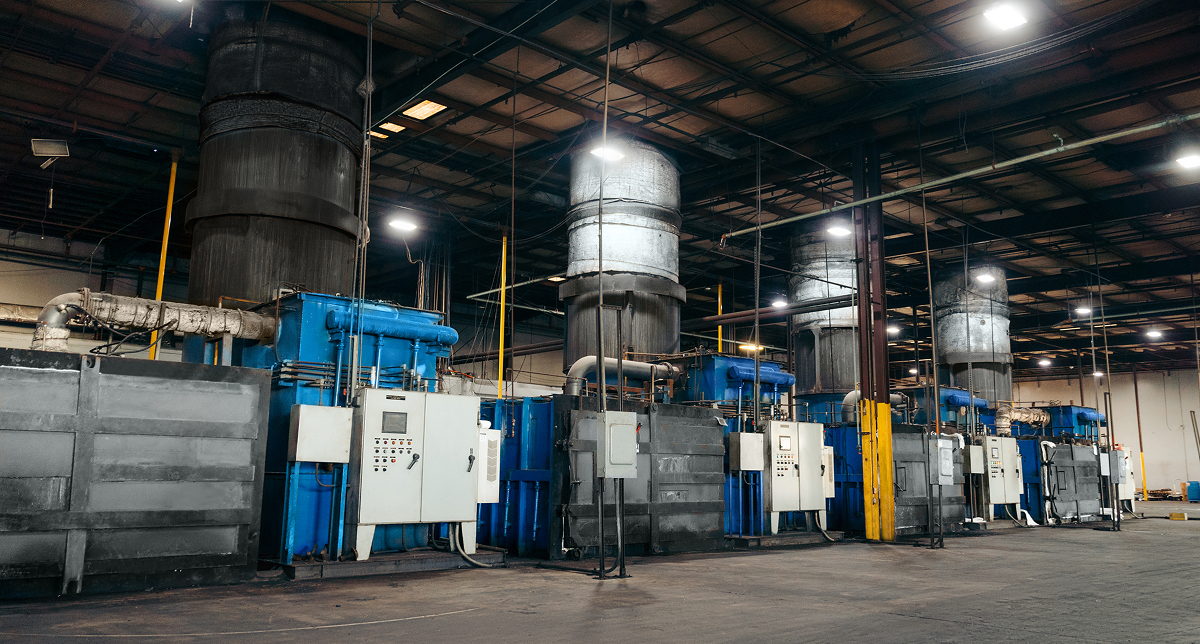
Processing technologies match material characteristics. Thermal treatment separates organic materials from metallic content without incineration. Chemical dissolution removes precious metal coatings and recovers metals from solution. Mechanical processing manages solid metallic scrap from targets and components.
Materials Analysis and Processing Optimization
Material analysis capabilities support processing decisions. Assessment of precious metals content, material composition, and recovery potential occurs before processing begins. This identifies value in materials other processors might consider too low-grade for recovery effort.
Wastewater treatment sludges demonstrate this principle. These materials may contain modest precious metals concentrations individually. Accumulated over a production year, they represent substantial recovery opportunity. The analytical capability also supports process optimization as manufacturing evolves. New fabrication technologies introduce new materials. Process changes alter waste stream composition. Equipment upgrades modify generated materials. Processing approaches adapt to changing needs.
Comprehensive Waste Management Solutions
Amlon’s facility network across Texas, Louisiana, and Tennessee provides capabilities beyond precious metals recovery. Base metals processing handles copper-bearing etchants, zinc, and tin from various processes. Thermal desorption facilities manage materials requiring specialized treatment. TSDF-permitted sites process waste streams needing that level of handling.
Materials requiring treatment beyond precious metals processing stay within the same vendor relationship. Single pickup coordination covers multiple material types. One documentation system spans all waste streams. Unified reporting provides visibility into complete materials management performance.
Circular Economy and Sustainability Impact
Precious metals recovery directly supports circular economy objectives. Semiconductor manufacturing consumed approximately $3.8 billion in gold, platinum, and palladium in 2023. Mining these metals from primary sources requires significant energy input, generates substantial carbon emissions, and creates environmental disruption through extraction activities.
Recovered precious metals returning to productive use eliminate these upstream impacts. Each ounce of recycled gold avoids approximately 20 tons of ore processing. Platinum group metals recovery prevents mining operations requiring even greater ore-to-metal ratios. The environmental benefit scales with recovery volume.
Semiconductor manufacturers face increasing pressure to demonstrate environmental stewardship. Customer sustainability requirements, investor ESG expectations, and regulatory frameworks all drive demand for verifiable circular economy practices. Comprehensive precious metals recovery with documented chain of custody provides evidence for sustainability reporting.
The recovery process itself operates with environmental consideration. Thermal treatment technologies employed at Amlon Sweetwater avoid incineration emissions via an incredibly robust pollution abatement system enabling it to operate as a Title V facility. Chemical processing systems capture and treat process water. Material handling practices minimize environmental release throughout the recovery chain.
Circular economy positioning also addresses supply chain security concerns. Recovered precious metals supplement primary supply chains, reducing dependence on mining operations subject to geopolitical risk, price volatility, and supply disruptions. This resilience matters for manufacturers operating under just-in-time inventory practices.
Recovery Economics and Processing Capacity
Semiconductor manufacturers evaluate processors on total value returned. Processing charges, settlement terms, and assay accuracy all affect net return. Efficient processing minimizes costs while maintaining recovery quality. Fair assay practices reflect true precious metals content. Transparent pricing avoids hidden fees and pedictable settlement timing supports financial planning.
Capacity matters for routine production and temporary volume spikes. Maintenance turnarounds and equipment upgrades create surges that can overwhelm processors with limited throughput. Processing capability that handles these variations without extended delays prevents valuable materials from sitting idle waiting for processing availability.
Geographic Coverage and Supply Chain Resilience
Amlon Sweetwater’s Tennessee location serves the southeastern semiconductor manufacturing regions with efficient transportation. The broader facility network provides geographic redundancy when supply chain disruptions occur.
Materials redirect to other locations within the network if processing challenges arise at one facility. This multi-site capability enhances reliability compared to single-facility processors where operational issues create bottlenecks. Geographic diversity also supports operational flexibility during plant turnarounds when volume increases may exceed single-facility capacity.
Partnership Development
Effective processing relationships require understanding facility-specific requirements. Material types vary by fabrication process. Volume patterns reflect production schedules. Packaging capabilities depend on available equipment and documentation needs support for regulatory compliance and financial reporting.
Processing service should reduce administrative burden while maximizing returned value. This means responsive communication, flexible scheduling, and ongoing attention to evolving needs as processes and technologies change. Materials management should support core manufacturing operations without creating unnecessary complexity.
Next Steps
Semiconductor manufacturers spreading waste across multiple processors or evaluating alternatives to current precious metals recovery arrangements can contact Amlon at 877-594-5510 or info@amlongroup.com to discuss facility waste profiles and recovery performance opportunities.
Amlon Sweetwater processes gold, silver, platinum, palladium, rhodium, iridium, and ruthenium from semiconductor manufacturing operations. Combined with Amlon’s 40-year foundation in industrial waste management across Texas, Louisiana, and Tennessee facilities, we provide integrated processing solutions that simplify vendor management while maximizing value recovery and supporting circular economy objectives.