World Water Week 2026 runs August 23 through 27 in Stockholm under the theme “Water for People and Progress.” <add link: https://www.worldwaterweek.org/> Most of the agenda addresses drinking water, sanitation, and equity. There is a related question that gets less airtime and belongs in the same conversation: what happens to the water that heavy industry uses?
Refineries, chemical plants, terminals, and marine operations constantly generate water. Tank washwater. Hydrotest water from pressure testing. Bilge water. Emulsions that will not separate on their own. Rainwater that contacts a process area and can no longer be released. None of this water is safe to discharge as it stands. All of it has to go somewhere.
The default answers have historically been poor ones. Deep-well injection permanently removes water from the hydrologic cycle. Long-haul transport moves the problem and burns fuel doing it. Both are legal. Neither returns anything.
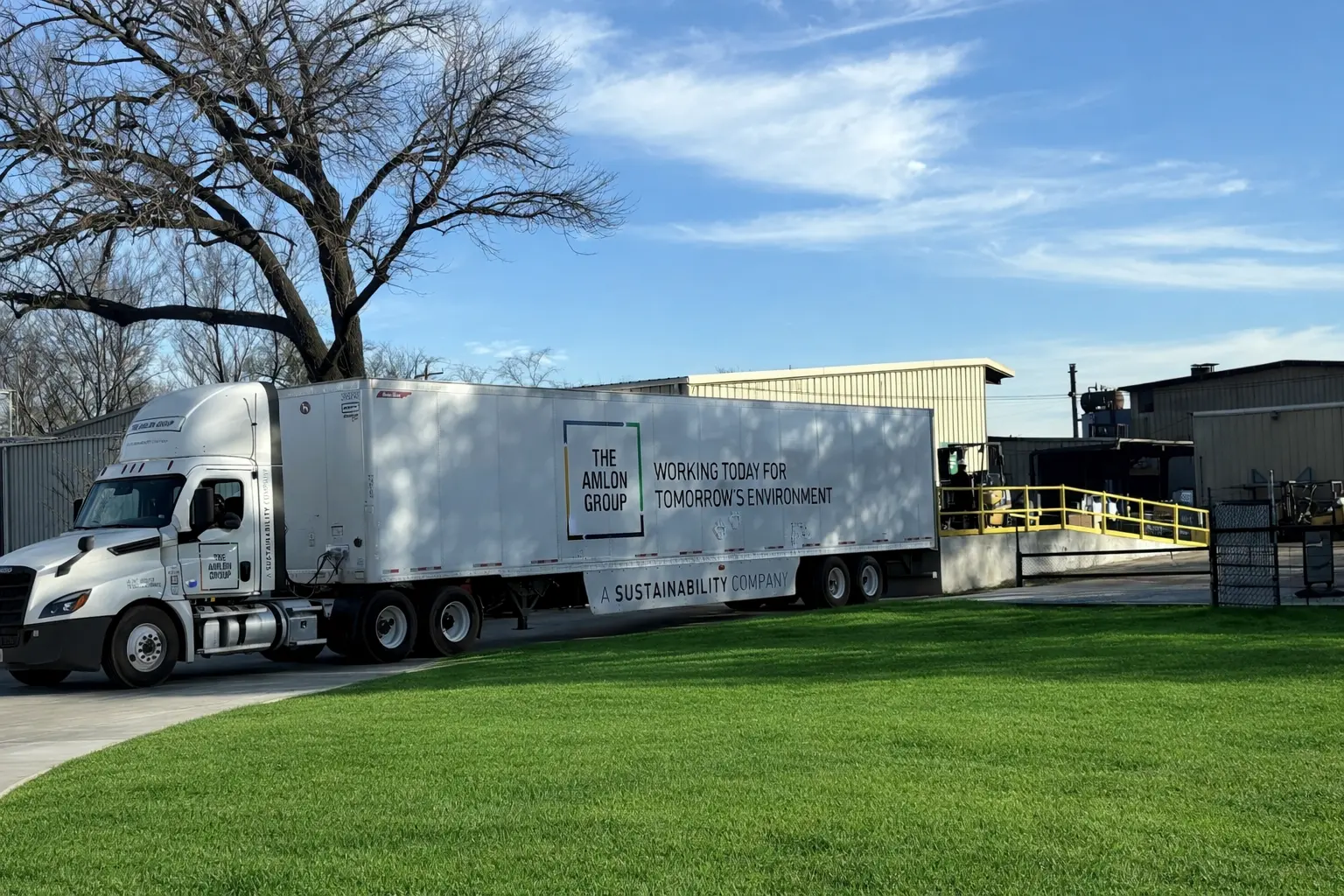
In 2025, The Amlon Group treated and recycled 82.9 million pounds of water across our facility network, up from 69 million pounds in 2024. That figure represents water that stayed in the cycle rather than leaving it.
Where the work happens
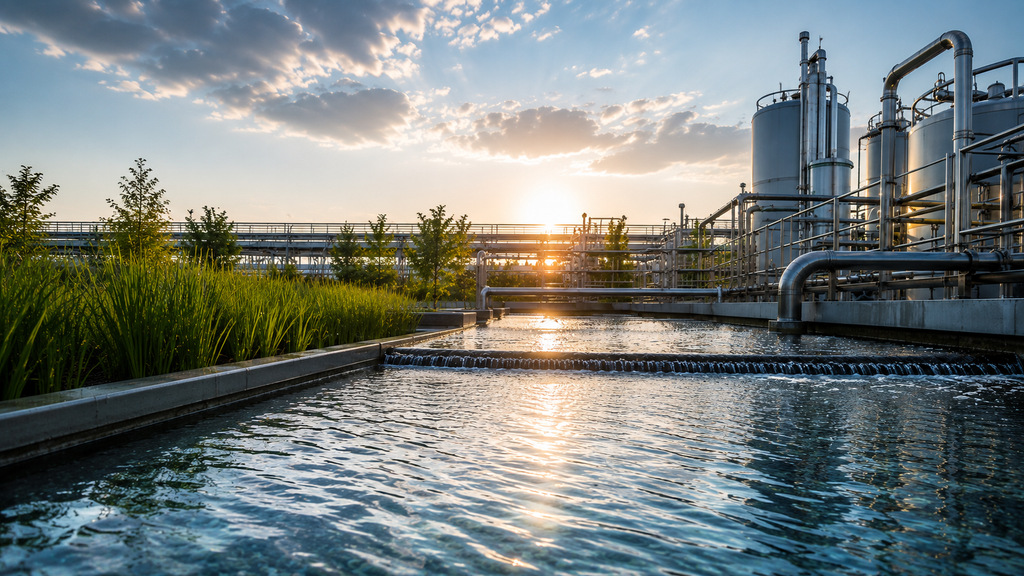
At Amlon Golden Triangle <add link> in Port Arthur, Texas, our Centralized Waste Treatment plant accept streams many facilities cannot take. We are permitted to treat corrosive waste (D002) and benzene-contaminated water (D018), including but not limited to non-hazardous hydrotest waters, contact rainwater, bilge water, tank washwater, oily emulsions, and off-spec hydrocarbon products.
The sequence is straightforward. For example, for oily water streams, hydrocarbons are separated and reclaimed as product.
In other cases, for caustic wash waters and other industrial wastewaters, the remaining water is treated to meet applicable pretreatment standards and discharged to the local publicly owned treatment works (POTW), where it re-enters municipal treatment and returns to the watershed.
Why the distinction matters
Sustainable water processing comes down to what leaves the facility and where it goes. Water injected underground is water the watershed does not get back. For generators building environmental reporting, the difference is measurable and defensible. The volume treated, the method used, and the final destination are all documented. That documentation is the audit trail regulators, customers, and stakeholders ask for.
Progress on water gets discussed and debated in Stockholm this week. It also gets decided in Golden Triangle, one manifest at a time, by our customers choosing what happens to water after they are finished with it.