Property and evidence rooms across Texas face storage challenges. Materials accumulate over time. Space becomes limited. Questions about disposal processes remain unanswered. Some agencies have collected evidence for years before addressing disposal.
Finding a qualified partner who understands law enforcement evidence destruction requirements requires clear information. Your agency needs straightforward answers about accepted materials, packaging requirements, process details, and costs.
Speak to an Expert
Evidence destruction services you can trust. Get clear answers on materials, packaging, lead times, and documentation.
Contact UsQuestions Law Enforcement Agencies Ask
Evidence managers need clear answers to practical questions. These are the top five:
- How much does it cost?
- What materials can you accept?
- How does packaging work?
- What’s the lead time?
- What documentation do we receive?
Amlon’s Baytown facility handles the full spectrum of evidence room materials. Controlled substances, DUI test kits, biohazard materials, weapons, and confiscated evidence all get processed through the same secure chain of custody. Materials arrive in the manner your agency received them. No special containers required. No repackaging fees.
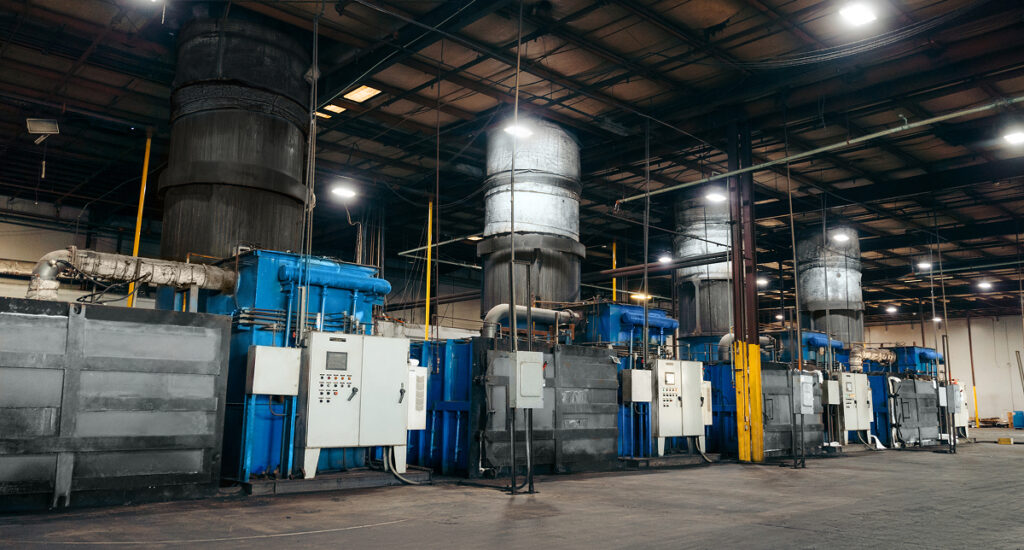
The facility sits 25 miles east of Houston, making it accessible for agencies across Texas. Your sworn officers witness the materials entering the destruction process in the thermal unit and verify the unit activates and reaches proper operating temperature. The system runs for 12 hours, completely destroying all evidence. Your team receives certificates of destruction along with timestamped photos of the completed process.
Why Packaging Flexibility Matters
Other providers impose packaging requirements. Specific container types. Weight limits. Size restrictions. These constraints create extra work for evidence managers who are already managing tight schedules and limited staff.
Evidence arrives in duffel bags, cardboard boxes, original pharmaceutical packaging, and evidence bags. Amlon’s batch-run pyrolysis systems accept materials as they arrive. Your officers spent time collecting and processing this evidence. They shouldn’t spend additional time repackaging it to meet a disposal vendor’s limitations.
Transparent Pricing Without Surprise Fees
Budget predictability matters for government agencies. Some evidence managers have shared stories about quotes that seemed reasonable until the final invoice arrived with unexpected charges. Repackaging fees. Overweight penalties. Additional handling costs. A $7,000 quote becomes a $28,000 bill.
Transparent pricing means knowing the cost upfront. No hidden fees for materials that exceed weight limits. No additional charges for various packaging types.
Scheduling That Works With Your Timeline
Some agencies plan evidence destruction months in advance. Other agencies need processing within weeks or sooner. Some agencies discover years of accumulated evidence requiring immediate attention.
Amlon Baytown accommodates both scheduled destructions and urgent requests. Q2 and Q3 typically see higher volumes as agencies work through fiscal year planning cycles. Our experts can assist with planning for preferred dates during peak periods.
Understanding the Witness Requirement
Texas law enforcement operates under specific chain-of-custody requirements. Your sworn officers maintain control of evidence until it enters the destruction unit. They verify that materials are weighed accurately. They watch the unit door close. They confirm the system reaches proper operating temperature before departing.
This witnessed destruction process protects your agency’s documentation trail. The entire process is documented through video or photo documentation, depending on agency requirements. Amlon signs required chain-of-custody forms as needed. Once the destruction cycle ends, the final steps are completed, including any agency-specific documentation, precise invoicing, and delivering photos along with certificates of destruction.
Advanced Technology, Reduced Environmental Impact
Amlon’s assured destruction services employ our patented pyrolysis systems, which use indirect heating in an oxygen-controlled environment. This process generates significantly fewer emissions compared to traditional evidence incineration methods. Materials break down at the carbon level through indirect flame exposure rather than open-flame combustion.
Environmental performance data can provide value when your agency responds to questions about disposal methods from oversight committees or community groups. Some agencies use factual information about Amlon’s environmentally friendly destruction practices in their public communications.
Making the Decision
Clear communication about capabilities, processes, and costs makes evidence destruction partnerships effective.
Amlon has been working in Texas for over 40 years, and we have both large and small law enforcement customers.
Your agency manages complex requirements for evidence intake, storage, and legal documentation. The destruction partner you select should provide straightforward service delivery.
Speak to an Expert
Evidence destruction services you can trust. Get clear answers on materials, packaging, lead times, and documentation.
Contact Us